
Our beloved pets are masters of disguise when it comes to hiding discomfort and pain. This survival instinct, developed over thousands of years to avoid appearing vulnerable to predators, means they’re remarkably good at concealing when something’s wrong.
While acute injuries are obvious—a yelp, limping, or sudden withdrawal from play—chronic discomfort or enduring pain presents a different challenge. The signs are subtle, often mistaken for normal aging or “slowing down.” Meanwhile, your pet silently endures ongoing suffering.
Here are five critical warning signs that your pet may be experiencing discomfort, including persistent pain:
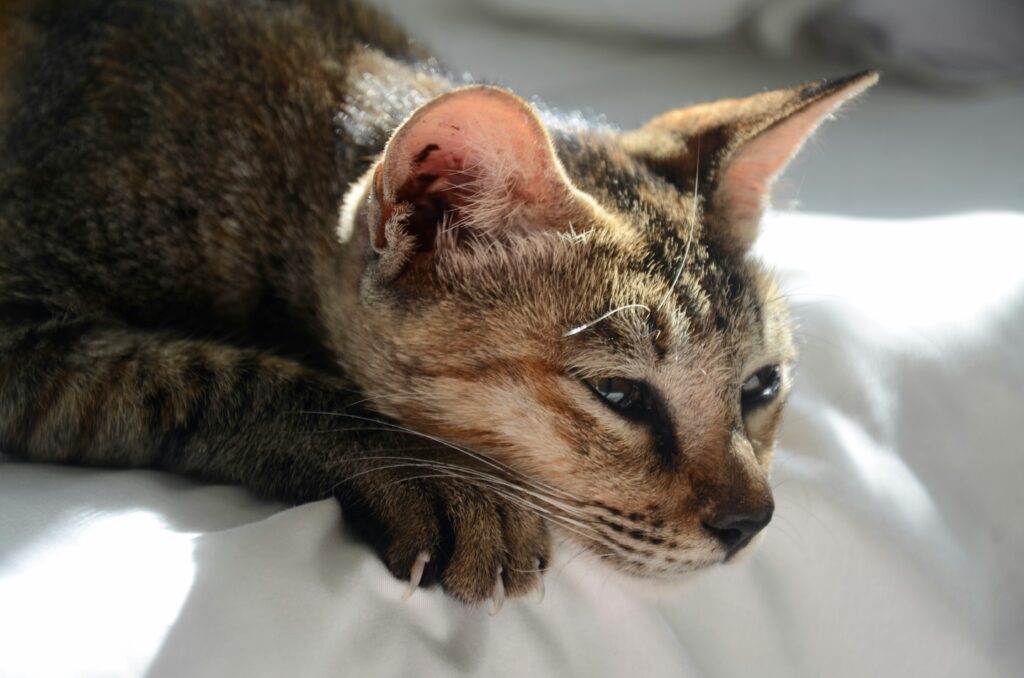
1. Changes in Grooming Habits
Discomfort manifests in grooming through two extremes, and both may be a result of unnoticed pain:
Excessive grooming: Watch for obsessive licking of specific areas. While visible wounds are obvious, your pet may be soothing internal soreness from bruising or joint issues. These “hot spots” deserve veterinary attention to assess the source of distress.
Complete grooming neglect: A suddenly unkempt appearance isn’t always about age. Spinal issues or arthritis may prevent your pet from bending or stretching to reach certain areas, which can be linked to pain.
Special note for bird owners: Feather plucking from specific regions can indicate discomfort, though it’s also a behavioral issue in healthy birds. Look for additional symptoms possibly relating to pain.
2. Increased Vocalization: How Pets Express Pain
Since pets can’t tell us they’re hurting, some become noticeably noisier. Dogs may whine, bark, growl, or howl more frequently when experiencing pain. Interestingly, cats often increase their purring when suffering—contrary to popular belief that purring only signals contentment.
3. Loss of Appetite
Most pets are enthusiastic eaters, making appetite changes particularly telling. An animal in pain or distress may:
- Choose sleep over meals
- Drink less water
- Avoid hard or dry food (especially with dental issues)
- Show difficulty moving to feeding areas due to soreness or pain
Remember, appetite loss can also signal serious conditions like cancer, kidney disease, or liver problems. Any sustained change warrants immediate veterinary consultation to diagnose and treat the underlying issue, which could include pain.
4. Behavioral Changes Indicating Pain
Your formerly affectionate companion may suddenly display distress-related behaviors, and these changes can be rooted in pain:
- Stop greeting you at the door
- Hide or seek isolation to manage discomfort
- Avoid other pets
- Display uncharacteristic aggression when hurting
- Show restlessness or agitation
- Pace repeatedly due to unease
- Struggle to find comfortable positions, often because of pain
- Experience difficulty sleeping because of physical distress
These antisocial behaviors often indicate your pet is struggling to cope with ongoing pain or suffering.
5. Trembling or Shaking
While shaking can result from cold or advanced age, it may also signal serious conditions, and sometimes is directly caused by pain, including:
- General discomfort or distress, potentially pain-related
- Kidney disease
- Pancreatitis
- Poisoning or toxic ingestion
- Adverse reactions to foods like chocolate or moldy compost

The Bottom Line
Any significant behavior change or abnormality deserves attention as a potential warning sign. Your pet depends on you to recognize these subtle cries for help. Don’t dismiss changes as “just getting old”—pain should never be considered a normal part of aging.
If you notice any of these warning signs, schedule a veterinary examination promptly. Early intervention can prevent unnecessary pain and address underlying conditions before they worsen. Your pet’s quality of life depends on your vigilance in recognizing and addressing discomfort early.
Ready to Schedule?
If you are concerned your pet is in pain, please don’t wait to schedule. You can use our convenient online booking portal, or if you have questions or prefer to schedule over the phone, you can call us at 972-353-9672.
We look forward to serving you and your pet at Pet Health Hub ~ Community Pet Outreach in Lewisville.