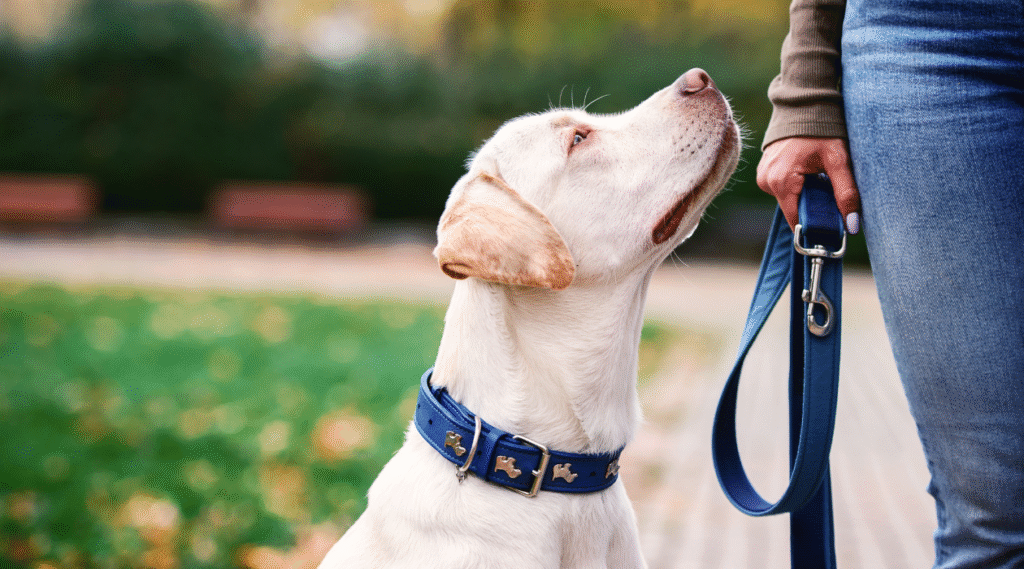
As our pets enter their golden years, providing thoughtful senior care becomes more important than ever. Just like humans, aging pets experience physical and behavioral changes that require special attention. With the right adjustments, you can help your senior dog or cat enjoy a comfortable, happy, and healthy life.

When Is Your Pet Considered Senior?
The age when a pet becomes “senior” varies by species, breed, and size:
- Most cats and small to medium dogs reach senior status around 7–10 years old.
- Larger dog breeds often age faster and may be considered seniors as early as 5–7 years.
Watch for early signs of aging, such as:
- Graying fur
- Slower movement or stiffness
- Changes in appetite, sleep patterns, or behavior
Recognizing these signs early allows you to adapt senior care before issues become more serious.
Common Health Issues in Aging Pets
Aging pets are more prone to certain conditions. Regular monitoring and veterinary care can make a significant difference. Common concerns include:
- Arthritis and joint pain – Signs: limping, reluctance to jump or climb stairs
- Dental disease – Poor oral health can affect overall wellness
- Vision or hearing loss – May cause disorientation or startle responses
- Unexplained weight changes – Obesity or sudden loss can signal problems
- Organ issues – Kidney, liver, and heart disease become more common
Routine checkups are key to catching these early for better management and outcomes.
Nutrition and Exercise for Senior Pets
Tailored nutrition plays a vital role in senior care:
- Aging pets typically need fewer calories but higher-quality protein.
- Look for diets with joint-supporting nutrients (like glucosamine) and easily digestible ingredients.
Consult your veterinarian for personalized recommendations.
Gentle exercise remains essential:
- Short, frequent walks
- Low-impact play sessions
- Mental enrichment activities (puzzle toys, gentle training)
These help maintain mobility, weight, and cognitive health without overexertion.
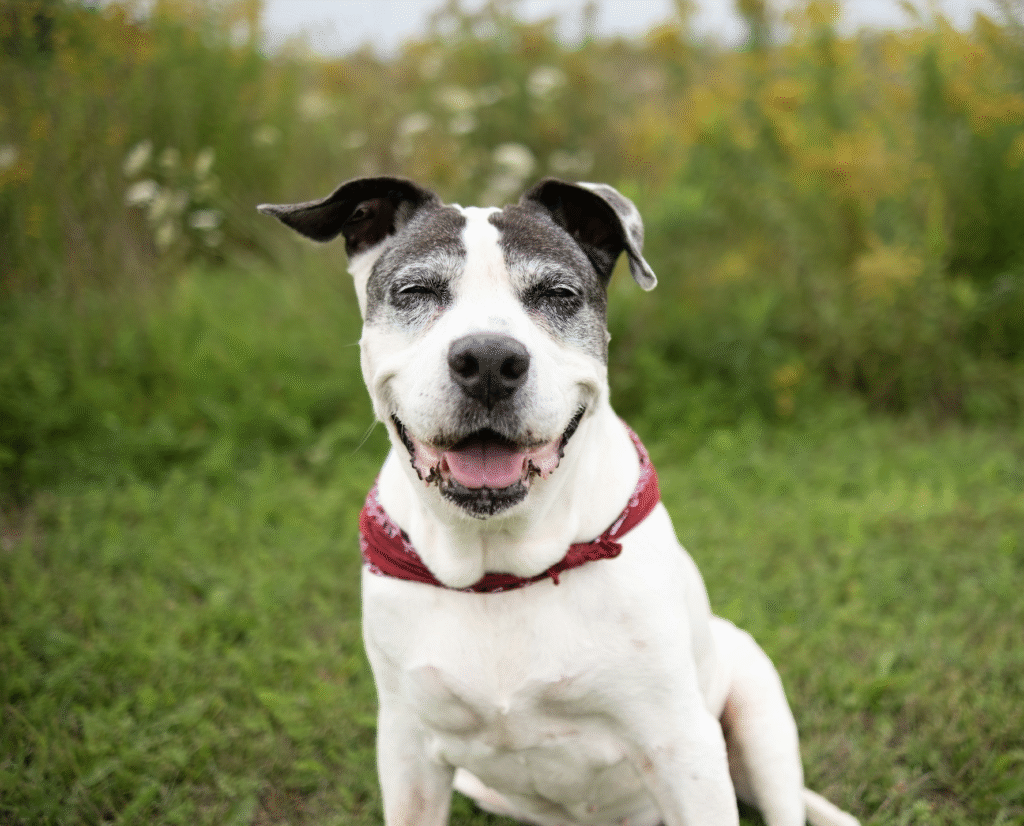
Creating a Comfortable Home for Your Aging Pet
Simple home modifications can greatly improve quality of life in senior care:
- Orthopedic or heated beds for joint comfort
- Ramps or steps for accessing furniture or vehicles
- Easy access to food, water, and litter boxes (place on the main living level)
- Non-slip flooring or rugs to prevent falls
These changes support independence and reduce stress as mobility declines.
Why Regular Visits Matter for Senior Pets
Aging pets benefit from more frequent veterinary care. Most veterinarians recommend:
- Wellness exams at least twice a year for seniors
- Comprehensive checks including bloodwork, urine tests, and diagnostics
Discuss any new symptoms or behavioral changes during these visits—early intervention can extend both lifespan and quality of life.
Supporting Emotional Well-being for Senior Pets
Senior care isn’t just physical—emotional health matters too. Continue providing:
- Gentle affection and grooming sessions
- Quiet companionship
- Predictable routines to reduce anxiety
Your love and patience help your aging pet feel safe and cherished.
Start Your Senior Pet Care Plan Today
With proactive senior care, including proper nutrition, a supportive environment, regular veterinary visits, and plenty of affection, your aging dog or cat can thrive in their later years.
Schedule a senior wellness exam at Community Pet Outreach in Lewisville, Texas, to give your beloved companion the best possible care. You can schedule online via our booking portal, or give us a call at 972-353-9672.
Contact us today to book an appointment and keep your senior pet happy and healthy!